So You Want to Work With Your Best Friend? Here's What Nobody Tells You First

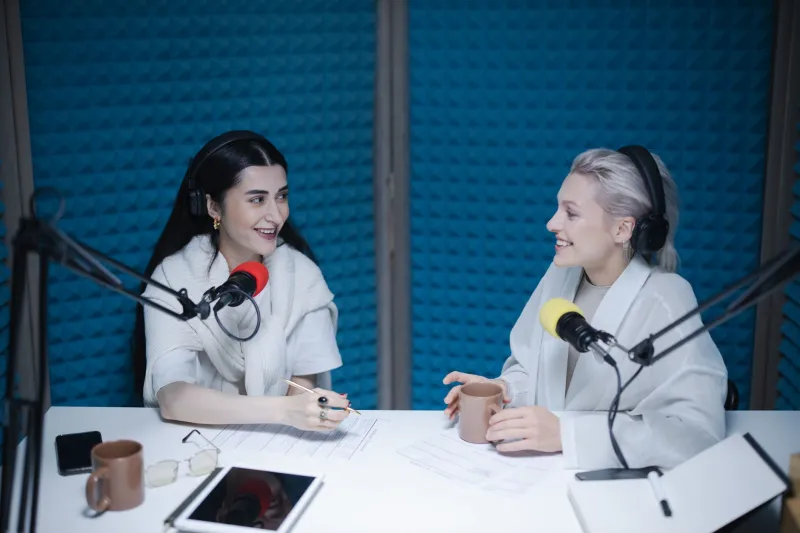
When Rebecca and I first started talking about building something together, we had approximately zero business plan and approximately a thousand opinions about everything. Snacks, scheduling, who got final say on the thumbnail — all of it was up for debate from day one. And honestly? That chaos is exactly why we felt compelled to write this piece.
Because working with your best friend is one of those ideas that sounds absolutely perfect until it isn't. And the line between "this is the best decision we ever made" and "I haven't spoken to her in three months" is thinner than most people want to admit.
So let's talk about it — for real, without the sugarcoating.
The Honeymoon Phase Is Real (And It Will End)
Every creative partnership starts with energy. You're finishing each other's sentences, you're texting at midnight with ideas, you're completely convinced that your combined genius is unstoppable. Psychologists actually have a name for this: the forming stage of group dynamics, where differences get minimized and enthusiasm does most of the heavy lifting.
The problem is what comes next.
Research from organizational behavior studies consistently shows that partnerships — creative or otherwise — hit a friction point somewhere between months three and six. That's when the actual working styles emerge. One person is a morning person who wants to batch-record content on Tuesdays; the other does their best work at 11 p.m. and needs three days to edit anything. Neither approach is wrong. But without explicit conversations about expectations, those differences quietly become resentments.
The duos that survive this phase? They don't do it by being more compatible. They do it by being more honest, earlier.
The Three Pitfalls That Kill Friendships Fastest
1. Unequal Effort (And the Silence Around It)
This one is almost universal. In most creative partnerships, one person naturally carries more of the operational load — responding to emails, editing the final cut, managing the calendar. At first, it feels fine. The other person contributes in different ways. But over time, if that imbalance isn't named and addressed, it festers.
The tricky part is that the person doing more often doesn't say anything because they don't want to seem petty. And the person doing less often doesn't realize the imbalance exists. You end up with one friend silently burning out and another genuinely confused about why things feel tense.
The fix isn't always about splitting tasks 50/50. Sometimes one person is better at certain things, and leaning into that makes sense. What matters is that both people acknowledge the division of labor and agree it's fair — out loud, explicitly, more than once.
2. Money Conversations You Keep Avoiding
Talking about money with a friend feels weird. It's awkward in the way that splitting a dinner check can be awkward, but multiplied by a thousand when there's actual revenue involved. Who gets paid what? What happens if one person brings in a brand deal? What if the project grows and one person wants to monetize faster than the other?
Creative partnerships that don't have these conversations upfront almost always end up having them at the worst possible moment — during a disagreement, when emotions are already running high.
Our genuinely unglamorous advice: get it in writing before you need to. Even if it's just a Google Doc between the two of you that outlines how decisions get made and how money gets divided. It doesn't have to be a formal legal document right away (though eventually, it probably should be). It just has to exist.
3. Creative Differences That Feel Personal
When your friend rejects your idea, it doesn't always feel like creative feedback. It can feel like rejection. And when you're the one doing the rejecting, it's easy to forget that the other person might be taking it that way.
The most resilient creative duos we've seen develop what some call a "yes, and" culture — borrowed from improv comedy — where the instinct is to build on ideas before editing them. It doesn't mean everything makes the cut. But it means the person pitching never feels like their instincts are being dismissed outright.
Separating the idea from the person who had it sounds simple. In practice, it takes active, deliberate effort — especially when you're tired, behind on deadlines, and someone just pitched a concept you find genuinely baffling.
What the Partnerships That Actually Work Have in Common
Look at the duos that have stayed together for years — in podcasting, YouTube, business, comedy — and a few patterns emerge pretty consistently.
They define roles early. Not rigidly, but clearly enough that both people know who owns what. Creative lead, business lead, production lead — whatever the titles look like for your specific project, having them prevents the "I thought you were handling that" conversation from happening over and over.
They fight about ideas, not each other. There's a difference between "I don't think that concept works" and "you never listen to my ideas." The healthiest partnerships learn to argue about the work without making it about the relationship — and they develop enough trust to come back from disagreements without needing days to recover.
They check in on the friendship itself. Not just on the project, not just on metrics and deadlines — but on the relationship underneath all of it. A quick "hey, are we good?" goes a long way. So does occasionally doing something together that has absolutely nothing to do with the work.
So Should You Do It?
Honestly? Maybe. It depends on your friend, your project, and — most importantly — your willingness to have uncomfortable conversations before you need to have them.
The partnerships that fall apart usually don't fail because the two people weren't talented enough or didn't care enough. They fail because both people assumed the friendship would absorb whatever friction came up, without ever explicitly building the infrastructure to handle it.
The ones that thrive? They go in with their eyes open. They talk about the hard stuff. They make agreements. And then they do the work — together, imperfectly, and with a lot of grace for each other along the way.
We won't pretend we've figured all of this out ourselves. But we're still here, still talking, still making things — and that feels like proof that it's at least possible.
You just have to be willing to do the work before the work begins.