Too Close to Call: Why Honest Feedback Is the Hardest Thing a Creative Duo Ever Has to Give
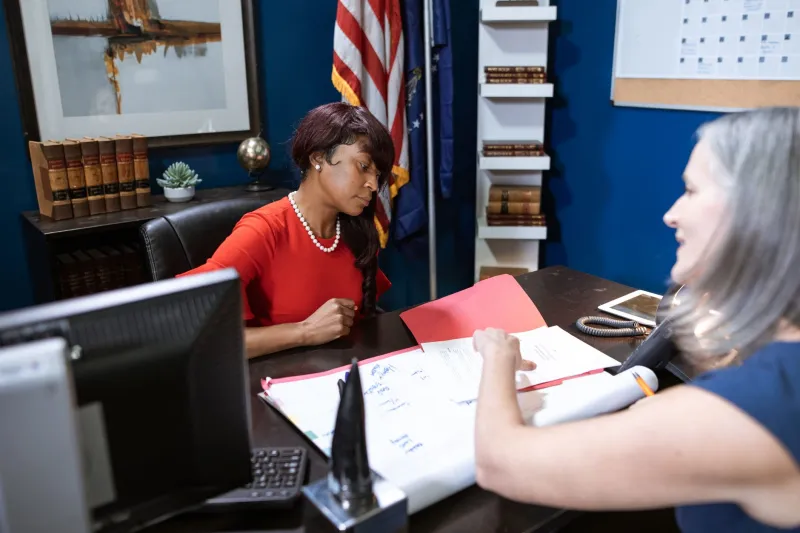
Here's a scenario that'll feel painfully familiar if you've ever worked closely with someone you genuinely like: your partner shares something they've been working on — a script, a video concept, a blog post draft — and it's just... not there yet. Maybe the structure is off. Maybe the joke doesn't land. Maybe it's missing the thing that makes your content yours. And instead of saying any of that, you smile, nod, and say some version of "I really like where this is going."
We've both been there. It's not dishonesty, exactly. It's something more complicated — a reflex to protect the person you care about, even when protecting them means letting mediocre work go out into the world with your name on it too.
This is what we've started calling the approval paradox: the closer you are to your creative partner, the harder it becomes to give them the kind of feedback that would actually make them better.
Why We Go Soft on the People We Work With Most
There's a reason this problem shows up almost exclusively in close partnerships rather than professional-only working relationships. When you're collaborating with someone you also eat lunch with, text at midnight, or have inside jokes with, the stakes of criticism feel wildly different. It stops being about the work and starts feeling like a referendum on the person.
Psychologists sometimes call this "empathic over-arousal" — basically, you're so tuned in to how the other person might feel that your own discomfort at the idea of upsetting them overrides your judgment. You'd rather absorb the awkwardness yourself than risk putting them through even a moment of deflation.
And honestly? That impulse comes from a good place. It means you care. The problem is that caring too much about someone's feelings in the short term can quietly undermine what you're building together in the long run.
The Slow Drift Toward "Good Enough"
When honest critique gets consistently avoided, something subtle starts to happen: the work drifts toward a baseline of acceptable rather than reaching for genuinely great. Neither person pushes back hard enough, so nothing gets refined past the first or second pass. Rough edges stay rough. Ideas that needed another week of development get published on Tuesday because nobody wanted to be the one to pump the brakes.
For duos who built their audience on a specific voice, a particular energy, or a standard of quality, this drift is especially dangerous. Your audience noticed what made you you before you did. They'll also notice when that thing starts fading — and they won't always be polite about it in the comments.
The creative partnership that can't critique itself honestly is essentially operating with one hand tied behind its back.
Separating the Art from the Artist (Without Making It Weird)
So how do you actually do this? How do you tell someone whose feelings you genuinely care about that their idea needs significant work — without blowing up the relationship or making every feedback session feel like a performance review?
A few things that have helped us, and that we've heard work for other duos:
Build a feedback ritual, not a feedback moment. When critique is a regular, scheduled part of your process — not something that only happens when something goes wrong — it loses a lot of its emotional charge. If you both know that every Thursday you sit down and go through each other's drafts with full honesty, it becomes routine rather than confrontational. The work is just... always in that mode.
Use the work as the subject, not the person. This sounds obvious, but the language matters more than you'd think. "This section isn't connecting" lands differently than "you lost me here." Keeping the conversation focused on what the piece is doing (or not doing) rather than what your partner did creates just enough distance to make the feedback feel collaborative instead of personal.
Agree on a code word for "I need real talk, not reassurance." Some of the best creative duos we've talked to have a specific signal — a phrase, a tone, even just a look — that means I'm not looking for a pep talk, I need you to actually tell me what's wrong with this. It gives the person asking for feedback permission to receive honesty, which takes some of the burden off the person giving it.
Make it reciprocal immediately. After one person gives feedback, the other shares something they're uncertain about in their own current work. It keeps the dynamic from feeling one-sided and reinforces that this is a two-way vulnerability, not a one-way critique.
When "Being Supportive" Becomes a Trap
There's a version of creative partnership that looks healthy from the outside but is actually just mutual cheerleading dressed up as collaboration. Both people feel good. Nothing difficult ever gets said. The work stays comfortable and the relationship stays easy.
And then one day, someone in the audience says what neither of you was willing to — and it stings more because it's coming from a stranger instead of someone who actually knows and wants the best for you.
Real support isn't the same as constant validation. Sometimes the most supportive thing you can do for your creative partner is to sit across from them with a draft between you and say, "I think this can be a lot better, and here's specifically why." That's the version of care that actually moves the needle.
The Trust That Makes Honesty Possible
None of this works without a foundation of genuine trust — and not just trust that the other person likes you, but trust that when they push back on your work, it's because they believe in what you're capable of. That trust doesn't show up automatically. It gets built through small moments of honesty that go well, through watching your partner take your critique and turn it into something stronger, through knowing that the relationship can hold a hard conversation and come out the other side intact.
For us, some of our best content has come out of moments where one of us said "this isn't it yet" and the other one, after a beat of defensiveness, knew they were right. That beat of defensiveness, by the way, is completely normal. It doesn't mean the feedback was wrong — it just means you're human.
The goal isn't to become immune to that sting. It's to build a partnership where the sting doesn't stop the conversation.
Because at the end of the day, the work you put out is both of yours. And both of you deserve a partner who cares enough to tell you the truth.