When One of You Starts Shining Brighter: Navigating Success Envy in a Creative Partnership
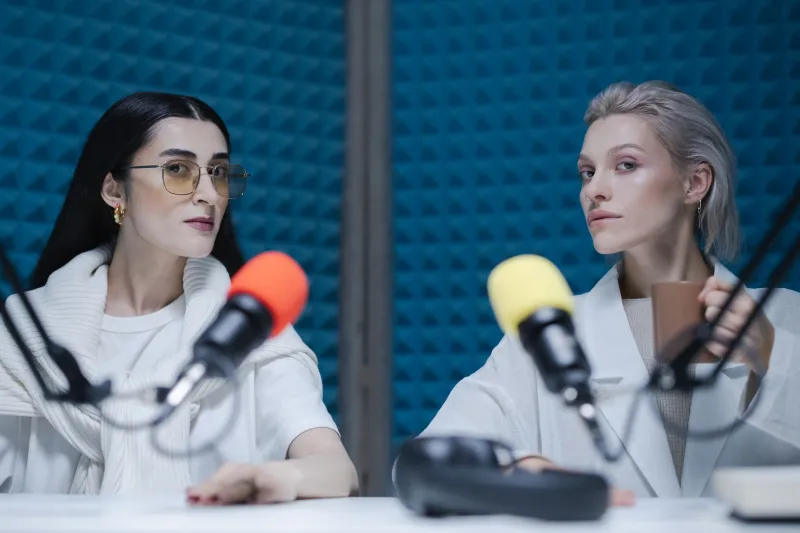
Let's be real for a second. You started this thing together. Same energy, same vision, same follower count on day one. You were a team — genuinely, equally, enthusiastically a team. And then somewhere along the way, the scales tipped. Maybe your partner got invited to speak at a conference. Maybe a brand reached out to them specifically. Maybe their solo TikTok blew up while your collab content barely moved the needle. And now there's this feeling sitting in your chest that you really, really don't want to name.
Jealousy. In a partnership you love. Directed at someone you chose.
Yeah. It's uncomfortable. But it's also incredibly normal, and pretending it isn't is exactly how creative duos fall apart quietly, politely, and completely.
The Myth of Equal Growth
Here's the thing nobody tells you when you launch a two-person project: equal input does not guarantee equal output. Audiences are fickle. Algorithms are ruthless. And sometimes, for reasons that have nothing to do with effort or talent, one person just lands differently than the other.
Maybe it's aesthetic. Maybe it's timing. Maybe one of you has a laugh that the internet inexplicably loses its mind over. Whatever the reason, external recognition rarely splits down the middle the way you'd hope. And when it doesn't, both people in the partnership feel it — just in completely different ways.
The person getting the spotlight often feels guilty. They minimize their wins, downplay opportunities, and sometimes even turn things down to avoid upsetting the balance. Meanwhile, the person in the shadow is doing their own quiet calculation, wondering if they're contributing enough, if they're being seen, if this whole thing is actually working for them.
Both of those internal spirals are damaging. And neither person is talking about it.
What Resentment Actually Looks Like
It rarely shows up as a blowout fight. More often, resentment in a creative partnership looks like a slow withdrawal. One person stops pitching ideas as enthusiastically. Feedback gets a little sharper than it used to be. Inside jokes fade. The energy in the room when you're creating together shifts from collaborative to transactional.
Sometimes it shows up as competitiveness that didn't used to be there — suddenly caring a lot about whose segment got more engagement, whose name comes first in the bio, who got tagged in the brand post. These things feel petty to admit, which is exactly why they fester instead of getting addressed.
In more extreme cases, one partner starts quietly building a solo lane while still nominally participating in the duo. They're not officially leaving. They're just... hedging. And the other person can feel it, even if they can't name it yet.
The Guilt That Comes With Being the One Who's Winning
This part doesn't get talked about enough. If you're the partner whose profile is growing faster, whose DMs are filling up with solo opportunities, whose name is getting dropped in conversations — you are not having an easy time either.
Success guilt is real. You didn't ask to be the algorithm's favorite. You didn't engineer the imbalance. But you're still walking around carrying the weight of it, second-guessing every opportunity, wondering if saying yes to something solo means you're betraying the partnership.
Some creators in this position start shrinking themselves. They turn down opportunities that could genuinely advance their career because it feels disloyal. That's not sustainable, and it's not fair to either person.
How to Actually Talk About It
The conversation nobody wants to have is the one that saves the partnership. Here's a framework that might make it slightly less excruciating:
Name the dynamic before it names you. Don't wait until the resentment has calcified. If you're noticing an imbalance — in recognition, in opportunities, in how the audience responds to each of you — bring it up early, when it's still just an observation and not an accusation.
Separate the partnership from the individuals. You and your partner are two people who also happen to be a creative unit. Those aren't the same thing. It's okay to have different growth trajectories as individuals while still being committed to the shared project. Getting clear on that distinction takes a lot of pressure off.
Redesign the structure if you need to. If one partner is consistently getting more visibility, consider whether the project's format is actually set up to give both people a fair shot. Sometimes the fix is structural — changing how you present yourselves, rotating who leads what, or formally carving out solo lanes that exist alongside the duo work.
Don't perform equality you don't feel. Forcing enthusiasm for your partner's wins when you're genuinely struggling is a short-term fix that creates long-term damage. It's okay to say I'm proud of you and I'm also working through some feelings about where I stand right now. That's honest. That's something you can actually build on.
When the Gap Becomes Too Wide
Sometimes, despite everyone's best intentions, the imbalance reaches a point where the partnership no longer serves both people equally. One person has outgrown the format, or the audience has clearly decided they prefer one voice over the other, or the solo opportunities have multiplied to the point where the duo work feels like a side project for one and a main event for the other.
That's a legitimate crossroads, and it doesn't have to mean failure. Some of the most successful creative duos in entertainment history eventually transitioned into parallel solo careers while maintaining genuine respect and occasional collaboration. The key is making that transition consciously, with honesty, rather than letting one person slowly disappear while the other pretends not to notice.
The Bottom Line
Creative partnerships are built on trust, and trust requires honesty about the uncomfortable stuff — including the stuff that makes you feel like a bad person for feeling it. Jealousy doesn't make you a bad partner. Silence does.
If something is off in your creative duo, the most generous thing you can do for the partnership — and for each other — is say so. Out loud. Before it becomes the thing you both know but never say, right up until the day one of you walks away.